

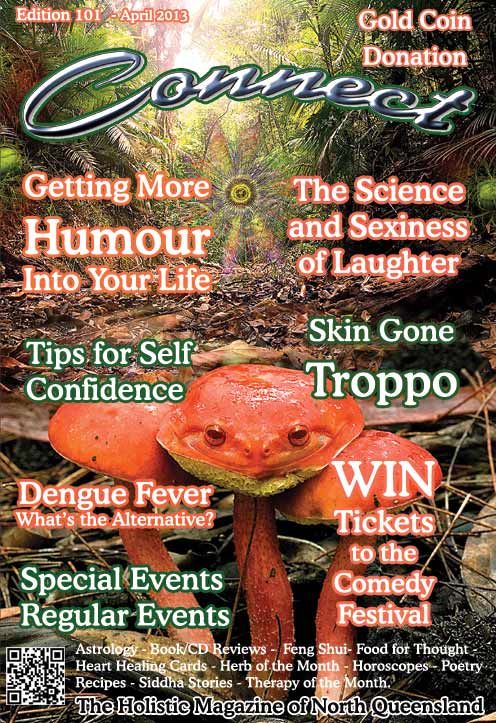
 Artist: Gerhard Hillman
Title: Fun-gai
Medium: Fine Art Photography
Contact: www.naturesface.com.au
FEATURE ARTICLE
The Science and Sexiness of Laughter
There is a Universal Language known to all mankind and it is the language of Laughter. Many believe that in order to laugh you must have a sense of humour. This has now been proven to be a myth. Dr Madan Kataria (researcher and founder of Laughter Yoga, a fun new exercise program sweeping the globe with over 5000 clubs worldwide) proved that mirthful laughter (acting out laughter) leads to unconditional laughter (hearty laughter) and this does not require a sense of humour to begin with. He defines a sense of humour as the brain’s capacity to perceive, relate and experience a situation, judging if the situation is funny or not. Laughter is the body’s physiological response to humour. However, whilst humour is a major stimulator of laughter it is not the sole determinant.
Very few people know that you can teach your body to laugh, so giving your body the experience of laughter can be a learnt behaviour. Repetition is the mother of any skill, and repeating a bodily behaviour over a period of time leads to generation of a corresponding emotion in the mind. Neurolinguistic programming teaches us that there is very little difference between thinking about doing something and actually doing it. The subconscious mind doesn’t differentiate between what’s real and what’s imaginary. (This is how we create our own realities, so be aware of your thoughts.) For example: when you think about sex your body begins to experience the physiological reactions associated with pleasure, and you have the capacity to experience an orgasm if you choose; when you think about something you find humorous and start laughing, you begin to produce physiological changes in your body.
 We aren’t born with a sense of humour. It is something we develop. Have you ever noticed children telling jokes? They often start laughing before the punch line and sometimes it is more humorous for the observer to laugh with or at them, than at the joke they are telling. Research suggests that children don’t laugh because they have a sense of humour, they laugh because it is their nature to be joyful. Children laugh an average of 25 to 30 times per day compared to adults who laugh between four and 17 times per day. Which end of the spectrum are you? As children develop into adults they can lose the ability to be joyful and laugh naturally due to the mental concept of judgment. Judgment creates limitation and cannot exist alongside joy. Practising the art of being non-judgmental is key to building your sense of humour.
Learning to take things lightly and laugh at yourself creates more joy in your life. To further develop the ability to laugh joyfully, layers of inhibition must be removed along with programming and mental roadblocks created by self, family, peers, teachers and society. These inhibitions come from our judgments, beliefs, values, decisions, conclusions, experiences etc. Underneath all these illusions lies an infinite ability to laugh. When we let these go we free ourselves up to receive more joy into our lives.
Have you ever had a cathartic experience (dislodging of blocked emotions or a release of tension) when the penny has dropped and you started to laugh uncontrollably and couldn’t stop? This type of experience helps cleanse our physiological systems, and our bodies benefit from stimulation of the throat, lungs, upper body muscles and our brains. If we’re really laughing out of control sometimes even our bladder relaxes … OOPS!!
Further research (DERKS) tells us that many areas of the brain are used including the left and right cortex, frontal lobes, the sensory part of the occipital lobe and the motor section.
Specific benefits of laughter have been proven by many of the world’s leading researchers. Norman Cousin, a celebrated writer, and author of the book Anatomy of an Illness, discovered the benefits of a sense of humour and laughter in healing himself of a potentially fatal disease. He claims that ten minutes of mirthful laughter gave him two hrs of pain-free sleep. His story prompted the scientific community worldwide and inspired a number of researchers to explore this phenomenon in more detail.
Dr William Fry, a psychiatrist from Stanford University (he founded the ‘fake it till you make it’ theory, based on the science of laughter) demonstrated from his studies that 20 seconds of mirthful laughter, even if you ‘fake it’, can double the heart rate for three to five minutes. He proved that laughter causes our body to produce endorphins (natural painkillers), lowers blood pressure, decreases the chances of respiratory infections, lowers stress levels, boosts the immune system, promotes circulation and increases oxygen to the cells. Have you noticed how people with a natural ability to laugh often look younger than their age?
Another inspirational contributor to the benefits of therapeutic laughter was Dr Patch Adams. Immortalised in film by Robin Williams, Patch Adams, founder of the ‘Clown Doctors’, was responsible for bringing fun and laughter into hospitals all over the world, and proposed that ‘healing is a loving human interchange, not a business transaction’.
 Stress, today’s number one enemy of health and wellbeing, has a physiological opposite – laughter. Laughter is nature’s answer to all evils; it is the counter-attack to disrupt the toxic concentrations of the stress cocktail of hormones and neuropeptides released into the blood, causing the ‘fight or flight’ response. Laughter switches on and boosts physiological systems including digestive, circulatory, immune and sexual systems. Laughter boosts and strengthens creativity, productivity and motivation, and promotes physical, mental and emotional wellbeing.
The therapeutic evidence is obvious, and laughter makes you look good and feel good. The experts say laughter is the best medicine; if so, what is the recommended dosage? I’d suggest the more the merrier. If you’d love to change the world you start first by changing yourself. What would it take for you to bring more joy to the world simply by laughing more?
Laugh and the world laughs with you… Start NOW! HO HO HA HA HA!!!!!!
Angie Quinn. Email: angie@soulhappy.com.au
REGULAR FEATURE
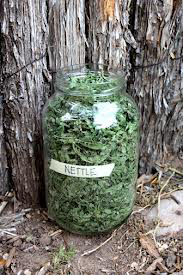
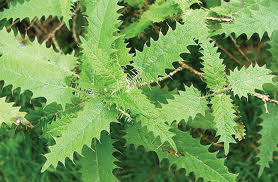
Herb of the Month – Nettle
You may think of nettle as just a nuisance in your garden, but it has many benefits as a health herb. So grab a pair of gloves and harvest some, or buy some prepared from your local herbal store.
Historical and traditional uses
Used by the Druids for thousands of years; apparently Caesar’s Roman troops brought it back from England. When a tomb in Denmark dated around 2,800 years old was discovered, a piece of fabric was found within made from nettle!
 Nutritional content
Nettle is an amazing herb for those who are anaemic or just need a few more nutrients in their diet. It is high in potassium, which helps to maintain a normal blood pressure. Nettle is also a diuretic, but unlike many pharmaceutical diuretics, it does not deplete the body of potassium. Furthermore, nettle is high in vitamins A, C and K, calcium, amino acids and iron. It makes a pleasant tasting tea, so drinking a cup a day seems like a wonderful idea.
Hair
Apart from the nutrients and minerals mentioned above, nettle also contains silicone, which is important for healthy, shiny hair. You could try using nettle externally by making an infusion to wash the scalp, helping the hair become brighter, thicker, shiny, and beautiful.
Urinary system
A blessing for those who suffer from bladder and kidney infections, nettle may also help with issues of enlarged prostate (especially when combined with saw palmetto).
Rheumatic pain
Nettle defends itself through its stinging needles, which contain irritating chemicals; however folk medicine has found a use for this: placing the leaves upon the skin produces a stinging and burning sensation, which in turn eases rheumatic pains. Scientists think that nettle does this by reducing inflammatory chemicals in the body and interfering with the way the body transmits pain signals. Others have reported relief from arthritic and joint pain by taking an oral extract.
 Hay fever
Nettle has antihistamine properties, which can be taken advantage of by taking a nettle tincture regularly before the hay fever season starts. My friend takes a tincture of nettle under her tongue before visiting cat-owning friends, to avoid allergic symptoms.
Skin
Many thrilled teenagers have reported that using nettle has relieved acne and other skin issues effectively. A friend of mine told me that when using a Spagyric Nettle formula (old-fashioned alchemical herbal formulation), her eczema went away in only a week, giving her relief from a life-long struggle to have smooth skin. This seems to be due to nettle’s natural detoxification and anti-inflammatory properties.
Pregnancy
Expecting mothers celebrate the use of this herb, as many other herbs are prohibited during pregnancy. It is said to support the kidneys, nourish the mother and her growing child, decrease the pain of the upcoming birth, prevent hemorrhage after birth, and that breast milk is stimulated and richer. Used in smaller amounts while pregnant, this herb can often be found in pregnancy tea blends in suitable quantities.
 Health tonic
Nettle can be taken as a general tonic and is wonderful for purifying the blood; you could try taking nettle once a day for a month before breakfast to feel revived and full of energy. It is said to decrease blood sugar levels and eliminate viruses as well as bacterial infections. Finally, nettle can stimulate digestion, making it helpful for enhancing weight loss. And it can be used to stop excess bleeding during menstruation.
How to use
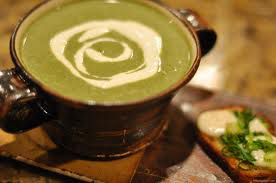
Young greens can be used in soups or stir-fries, steamed or added to smoothies. To make tea, soak fresh or dried leaves in boiling water for ten minutes. Or why not try a vibrantly green nettle soup? Boil some potatoes, steam some nettles (use gloves if you’re picking them from your garden), add to a pot of veggie stock, add a dash of something creamy (perhaps oat, rice or almond milk for a vegan version). Boil, and then blend.
 Garden
If nettle grows in your garden, apparently it will deter pests. Or if you decide to pull it up, why not use it as an effective liquid fertiliser for your plants, as it contains useable amounts of nitrogen, iron, magnesium and sulfur. Chop some up in a bucket (without roots or seeds) and cover with water; let it sit for a few weeks, stirring most days and letting it get really stinky. You can then pour some at the base of your tomatoes, fruit trees, roses etc.
Side effects and precautions
Generally it’s considered safe to use, even with young children for treating colds and flu; however it’s a good idea to obtain advice from a trained professional to determine doses for children and pregnant women. Occasionally, nettle has been known to cause upset stomach, as it is a mild laxative. And of course take care when handling the fresh plant because it’s prickly! If you are eating it straight from your garden, it’s a good idea to stick to the young greens, as the old plants could cause kidney damage if eaten without cooking.
This article is NOT intended to diagnose, treat, cure or prevent any disease or illness. Trust your own intuition and seek professional advice when needed.
Ella Shannon is a qualified Yoga teacher, Reiki master, and Addiction Counsellor with a passion for natural health and wellbeing, and is the proprietor of Port Douglas Happy Herb Shop on Macrossan Street. (07 4099 6313)