


 ARTIST: Rhonda Harman
TITLE: Birthing a New World
MEDIUM: Acrylics
FEATURE ARTICLE
Everything Changes and it’s Okay
‘How strange that the nature of life is change, yet the nature of human beings is to resist change. And how ironic that the difficult times we fear might ruin us are the very ones that can break us open and help us blossom into who we were meant to be.’ Elizabeth Lesser
In November I visited Wagga (NSW) for the first time in more than forty years. Forty-five years ago I lived there for two years, and this recent visit led me to think about the many changes I have experienced during my lifetime.
I spent my early years on a sheep station in South Australia, then lived in Adelaide until I was 22, became an Army wife and moved every two years for the next 13; I then lived in Sydney for three years, the Northern Territory for 17 years, and for the last 17 I have lived in Far North Queensland.
I have attended two schools and university, and have been an employee and also self-employed. I have worked as a social worker in a variety of work roles, and in staff development and organisational consultancy positions; now I am a retiree and part-time Reiki teacher and practitioner.
I have been married twice, for 30 years in all, divorced twice, lived alone for 12 years and am now in a relationship again. I have two adult children and both of my parents have died. There have of course also been many other changes of various types throughout these years.
Some life changes have been of my own choosing; many have been ‘thrust upon me’. For most people the idea of unsought change elicits fear, and even changes that we have initiated can be daunting. I have stayed in some very uncomfortable situations (mainly jobs and relationships) for far longer than I needed to because of that fear; sometimes it isn’t until the pain of staying is stronger than the fear of change, that we take the steps needed to move. But change is a part of life, and without it there is no growth.
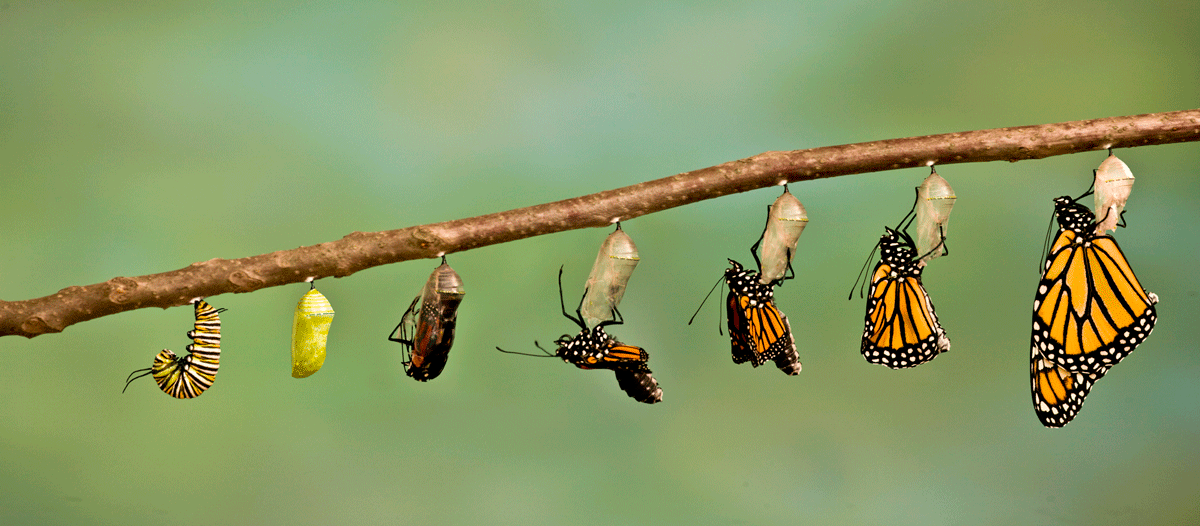 An interesting exercise can be to make a list of all of the significant changes you have experienced in your life – as I have done, but include absolutely everything you can think of. Then go down your list and mark every change which, from this place of hindsight, you can see has added something of value to your life. It might be that a change took you somewhere where you had new and positive experiences or met someone who became important to you; or perhaps as a result of a change you developed skills, knowledge, self-confidence or other new personal qualities.
When people do this exercise, it is common for them recognise that 90 -100% of the changes they have experienced, including ones that were not by their choice, have contributed something of value to their lives.
When I look back over my life I can see how much I have grown; I can barely recognise the person I was as a child and a young woman. And if someone had told me many years ago about some of the things I have been able to do, I wouldn’t have believed I had it in me. What can we do to embrace change and to bring out qualities and abilities that are hidden so deep inside that we don’t know they are there? I believe that a beginning is to use the change exercise above, in order to recognise that, no matter how bad a situation might feel at the time, there is a potential gift in it.
When we’re facing change it’s important to know that it’s OK, perhaps almost normal, to be afraid. Acknowledge your fear and don’t try to resist it. When you sit for a while with a feeling, just allowing it to be, the feeling generally diminishes and may even vanish altogether. A statement that I once read, and that has helped me immeasurably to deal with change, is, ‘You will never face any situation that you don’t have the ability to respond to positively’. At first I didn’t really believe this, but I decided to ‘act as if’ it was true. This was enough to reduce my fear and to help me to find ways to respond to the situation I was in, and over the years I have come to believe the statement.
Change often requires that we let go of people, things or places that have been special to us. Grieving is a natural response to loss, and is an important step in recovering from loss. So once again, don’t try to block feelings of sadness, anger and even guilt, which are part of the grief response; acknowledge your feelings and if necessary seek assistance from supportive friends, or professional counselling, to help you though this period.
It is obvious that change is an essential part of life; neither we nor the world we live in would survive without change. Every aspect of life – the successes and the setbacks, the joy and the pain, the beauty and the disappointments – is an opportunity to grow by discovering more of ourselves. Our challenge is to respond to change in a way that enables it to be a force for growth.
Annabel Muis, Reiki Master and co-author of Turning Points: Regaining joy after loss.
Email: annabel.muis@gmail.com 4093 8937
REGULAR FEATURE
Herb of the Month: Turmeric
 If you ask Dr. Google what turmeric is good for, the answer you will find is… Everything! I was up in Kuranda markets a few months ago and scored this fantastic, big, fat, second-hand book, Nutritional Healing. It lists an A-Z of many common ailments and then lists dietary, herbal and nutritional ways to heal them. Seriously – almost every ailment had turmeric as a herb that can assist healing. So I decided to share a bit about why this common cooking spice is so awesome.
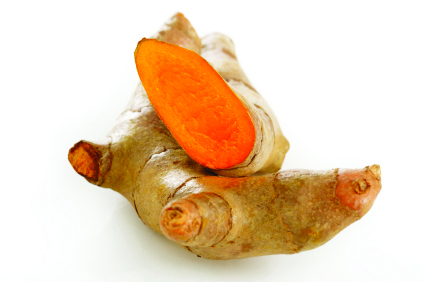
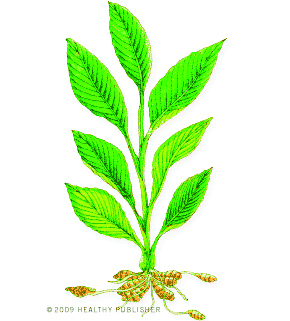
Turmeric is a relative of ginger, and it is also the root that is used medicinally and for food. We’re very lucky here in Far North Queensland that it grows well in our climate and can often be found fresh at the market. The active components in turmeric are curcuminoids; they are what give the yellow colour, the principle one being ‘curcumin’.
It seems that the reason turmeric has traditionally been used for so many different things is that it is said to boost the immune system and help the body deal with stress, leading to good health all round. It is also said to promote good digestion and support healthy bones, joints and over-all skeletal system. Turmeric has also been used traditionally to maintain healthy cholesterol levels and to promote healthy blood and liver function.
Like many of the herbs and spices used in Indian cooking, turmeric is thought to kill yeast and parasites and be an antiseptic when taken internally, which is definitely a good thing when you are eating street food in India.
One article I read described turmeric as ‘skin food’, as the curcuminoids support blood and liver functions and overall wellbeing. This cleanses the skin and in turn promotes elasticity and provides nourishment to the skin. The beauty industry encourages people to plaster all sorts of toxic chemicals on the skin in the name of anti-ageing, telling us, ‘you’re worth it’. Although placed on the outside of the body, these chemicals are still absorbed by the body. A range of articles appeared in British publications a few years ago, claiming the amount of chemicals absorbed through make-up and beauty products was almost five pounds a year for women who use them daily. YIKES! Whether that amount is correct or not, I think I’ll stick to eating herbs and spices that support my skin from the inside out, as well as giving lots of other great benefits to my health, and I’m happy to accept my wrinkles as a natural part of getting older and wiser.
 A diet high in anti-oxidants will enhance the health of the skin, as well as many other functions in the body. They are the body’s way of neutralising free radicals, which are a natural part of metabolism. But if free radicals become excessive, or if there are not enough anti-oxidants, they can attack cell membranes and DNA. Anti-oxidants act as scavengers, preventing cell and tissue damage. In a list of ORAC-valued foods (ORAC units measure the anti-oxidant capacity of foods), turmeric rated sixth out of the top 100.
All spices are thermogenic, which means that they naturally boost metabolism and help burn calories. Because spices are low in calories but dense in minerals and vitamins, they are a wonderful and delicious way to promote health.
When I lived in a Yoga ashram some years ago, we would make a drink of turmeric before bed to help reduce sore muscles from our practice. We’d simmer it in oat milk, with a little black pepper, cinnamon and honey. The black pepper enhances the bio-availability of the other herbs, meaning it helps the body absorb many more nutrients than if they were taken alone.
Unlike many pharmaceutical drugs with lists of potential negative side-effects, whatever reason you have for adding turmeric to your diet, there are many potential side-benefits. It has a 6000-year track safety record, and modern day tests have demonstrated that it can destroy drug-resistant cancer cells and destroy cancer stem cells (which are cells within a tumour that can self-renew… the scary ones.) Other studies have found the curcumin in turmeric can even deactivate carcinogens in cigarette smoke, prevent the release of histamines in the stomach – calming the stomach and counteracting food allergies – and even prevent gum disease.
When I lived in Thailand, someone was always falling off their motorbike going around the corner in the sand, getting nasty scrapes. The remedy used that seemed to work the best was to make a paste of turmeric and a little water, pack it into the wound and leave it there. It looked horrible but I saw some nasty wounds heal without a scar.
There are lists and lists of benefits of turmeric that you will discover if you do some research for yourself. I am not intending to make any claims about turmeric, and none of this information has been verified by the TGA. For various health complaints you can buy extracts of curcumin, which some people take in order to get a very high dose. But I always like to take herbs in their most natural form, with all the various aspects intact, rather than taking isolated compounds that could put the body out of balance. Anyone for curry?
Ella Shannon is a qualified Yoga teacher, Reiki master, and Addiction Counsellor with a passion for natural health and wellbeing, and is the proprietor of Port Douglas Happy Herb Shop on Macrossan Street. (07 4099 6313) This article is NOT intended to diagnose, treat, cure or prevent any disease or illness. www.happyherbcompany.com/portdouglas